
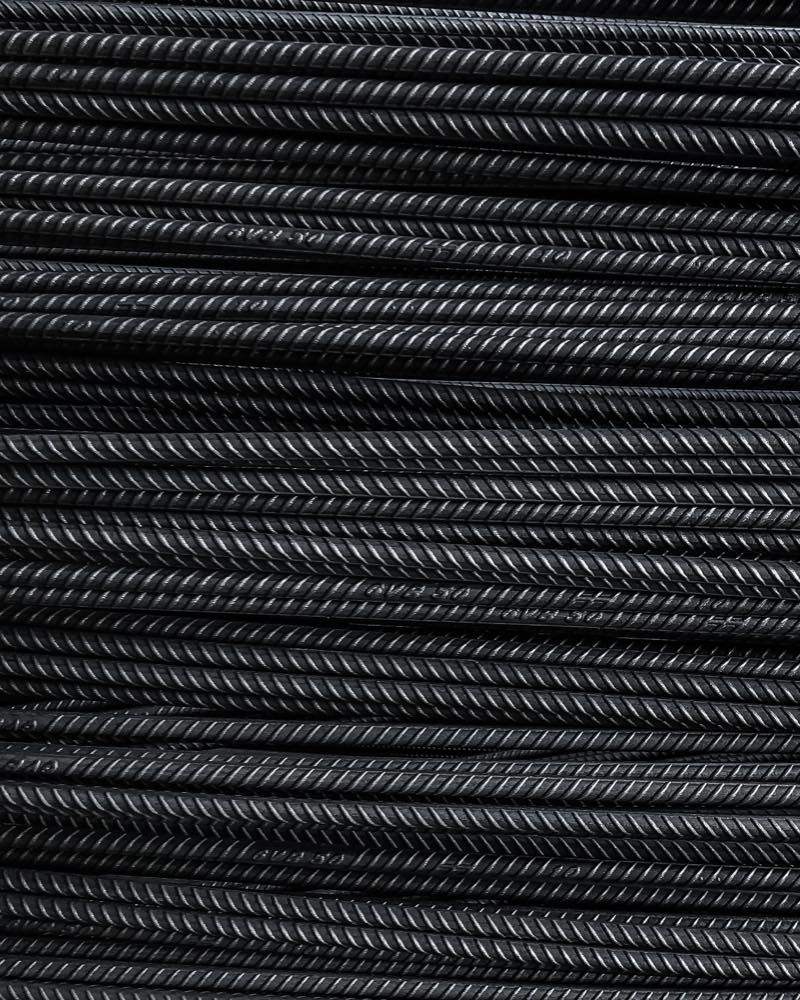
TMT Steel Rebar
Not available in your region
Product details
Single SPMV master for TMT rebar. Every brand/size/grade/form combination is a variant of this one product — vendors attach price and stock to variants, never create duplicates.
Shipping & Returns
- Free standard shipping on all orders within the continental U.S. Expedited shipping options are available at an additional cost. Orders typically ship within 3-5 business days.
- We offer a 30-day return policy. If you are not completely satisfied with your purchase, you can return the chair for a full refund or exchange, provided it is in its original condition and packaging.

Octogon Verified Supply
0 reviews
Seller reviews
Posted: 1 day ago
More from this seller

Material guide
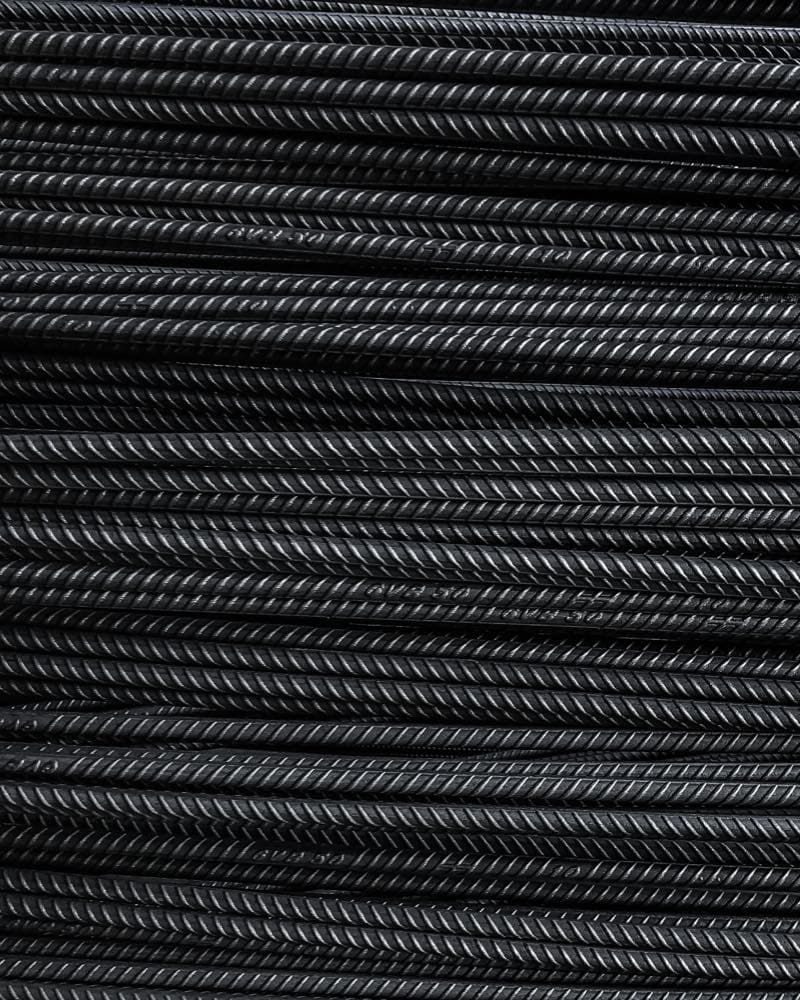
Thermo-mechanically treated reinforcement bars — the backbone of every RCC structure.
Uses & applications
- Primary reinforcement in footings, columns, beams and slabs
- Retaining walls, water tanks and basement rafts (use CRS/550D near coasts or wet soil)
- Precast elements, compound walls, lintels and chajjas
Major brands & manufacturers
- TATA Tiscon — main producer · 550SD widely stocked
- JSW Neosteel — main producer
- SAIL — main producer (integrated plant)
- RINL / Vizag Steel — main producer (integrated plant)
- Kamachi, ARS, Sunvik, Meenakshi — strong South-India secondary producers
Sizes · grades · forms · packs
- Sizes
- 6 · 8 · 10 · 12 · 16 · 20 · 25 · 28 · 32 · 40 · 50 mm
- Grades
- Fe415 · Fe500 · Fe500D · Fe550 · Fe550D (IS 1786)
- Forms
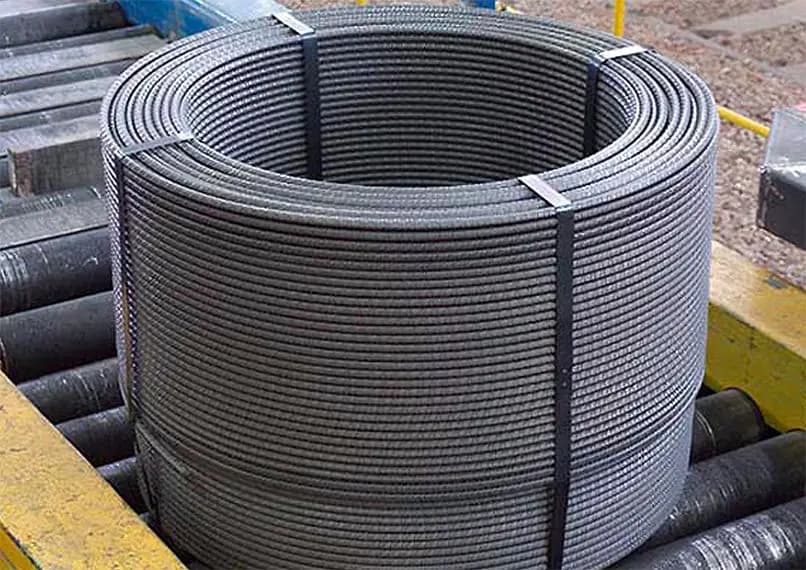
- Straight rod (12 m) · Bent/Ring · Coil · Cut-to-length
- Billing
- Per MT, 3-decimal weighbridge weights; ISI + mill test certificate per lot
- Rod weights
- IS 1786 kg/m — one 12 m rod: 8 mm ≈ 4.74 kg · 10 mm ≈ 7.40 kg · 12 mm ≈ 10.66 kg · 16 mm ≈ 18.94 kg · 20 mm ≈ 29.59 kg · 25 mm ≈ 46.24 kg · 32 mm ≈ 75.76 kg (per-piece quotes auto-convert to MT)
Typical use cases
- Individual home (G+1/G+2): 8–12 mm dominate; 16–20 mm in footings and columns
- Apartment/commercial frames: 16–32 mm columns and rafts, ordered in full trailer loads
- Fabricators: coils and cut-to-length for stirrups at volume
On-site best practices
- Match the grade on the drawing — never substitute a lower grade; 'D' grades bend without cracking (higher ductility)
- Maintain cover blocks (clear cover per IS 456) — most rebar corrosion starts with thin cover, not bad steel
- Use standard hooks/bends per IS 2502; bend cold, never heat a TMT bar to bend it
- Check the ISI mark and mill test certificate against the heat number on the tag
Storage & handling
- Stack on timber/concrete sleepers at least 150 mm off the ground — never on bare earth
- Cover against rain but allow airflow; light surface rust is normal, flaky/pitted rust is rejectable
- Keep sizes and grades in separate labeled stacks to prevent mixing on site
- Weigh at loading AND delivery — the ±5% weighbridge rule is your dispute evidence
Care & maintenance
- Rotate stock: use oldest lots first; avoid storing more than one season ahead
- Before concreting, brush off loose rust and ensure bars are free of oil, paint and mud